Discover the timeless allure of the iconic ballad, now available in piano sheet music PDF format. This resource offers clear notation, accurate dynamics, and a faithful transcription for both beginners and seasoned players. Dive into the melodic journey today. Feel the song’s soul, play!!!
Song Background
Emerging from the creative depths of the early 1990s, the track was conceived during a period of intense personal reflection for the band’s lead vocalist. The composition began as a simple acoustic fragment, later expanded into a full arrangement that blended melodic guitar lines with orchestral elements. Its lyrical themes explore vulnerability, authenticity, and the search for meaning beyond fame, resonating deeply with listeners worldwide. Initially recorded in a modest studio setting, the song’s raw emotional core was captured through a combination of layered vocal harmonies and intricate guitar work. Over time, it evolved into a staple of the group’s repertoire, frequently performed during live shows and featured in numerous compilations. The piece’s enduring appeal lies in its universal message and the way it bridges the gap between rock and classical sensibilities, making it a favorite for pianists seeking expressive depth.! with heartfelt sincerity??!!!. The arrangement’s harmonic structure showcases a blend of minor key progressions and subtle modulations, reflecting the emotional depth of the lyrics. Musicians often highlight the song’s iconic guitar intro by transcribing it into piano, creating a dramatic opening that captures the audience’s attention. The piece’s dynamic range—from quiet introspective passages to soaring climaxes—offers pianists ample opportunity to explore expressive techniques such as rubato, pedal usage and nuanced articulation.!
Popularity and Impact
Since its debut, the composition has transcended its original genre, becoming a cultural touchstone that resonates across generations. Its melodic contours and heartfelt lyrics have inspired countless covers, from acoustic renditions to full orchestral arrangements, reflecting its versatility and universal appeal. The song’s influence extends beyond music, appearing in films, television, and video game soundtracks, thereby cementing its status as a modern classic. Its chart performance—reaching top positions in multiple international markets—underscores its commercial success, while critical acclaim highlights its artistic depth. Notably, the piece has become a staple in educational settings, with educators using it to illustrate advanced harmonic concepts, voice leading, and expressive phrasing. Pianists worldwide incorporate the work into recitals and competitions, often showcasing the piece’s dynamic range and emotive power. The track’s enduring popularity is also evident in streaming statistics, where it consistently ranks among the most played songs on major platforms. Moreover, its presence in social media challenges and user-generated content demonstrates its relevance in contemporary digital culture. Overall, the composition’s blend of technical sophistication and emotional resonance continues to inspire both performers and listeners, ensuring its lasting legacy in the musical canon. Its timeless melody invites pianists to explore

Sheet Music Resources
Explore reputable sites offering downloadable PDF scores, including publishers and community archives. Verify licensing before use, and consider purchasing from authorized distributors to support artists. Many platforms provide free previews and sample pages.
Official Score PDFs
When seeking the most accurate representation of the song for piano, official score PDFs are the gold standard. These PDFs are produced by licensed publishers who have secured the rights from the original holders. They contain precise notation, including every chord symbol, dynamic marking, and articulation that the composer intended. Because the publisher has direct access to the master recordings, the transcription often reflects subtle nuances such as tempo rubato, pedal usage, and phrasing that can be lost in fan‑made arrangements. For pianists who want a reliable reference, official PDFs are typically available through major music publishing houses or online platforms that specialize in sheet music distribution. Purchasing or downloading from these sources ensures that the score is up to date with any editorial revisions, such as corrections to key signatures or accidental changes made during the original production process. Official PDFs include editorial notes that explain interpretive choices, offering insight into performance approach. These PDFs are distributed under the publisher’s licensing agreements, ensuring compliance with copyright law. Because the publisher works with the rights holders, the transcription preserves the composer’s intentions, maintaining the emotional depth and nuances. Official PDFs guarantee fidelity to the original composition, grounding the learning experience in authentic material! These PDFs also include clear articulation markings and dynamic indications, allowing pianists to capture the expressive subtleties that define the song’s character! Because the publisher works directly with the rights holders, the transcription preserves the composer’s intentions, maintaining the emotional depth and nuances!
Piano Arrangement Variants
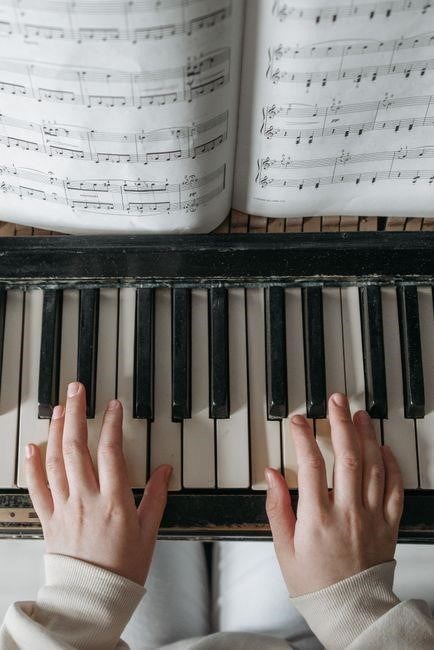
Explore diverse piano arrangements: from faithful transcriptions to simplified versions, each variant adapts the iconic melody for various skill levels. Choose a layout that matches your proficiency, ensuring smooth practice and expressive performance. Perfect for rehearsals recordings!
Full‑Key vs. Simplified Versions
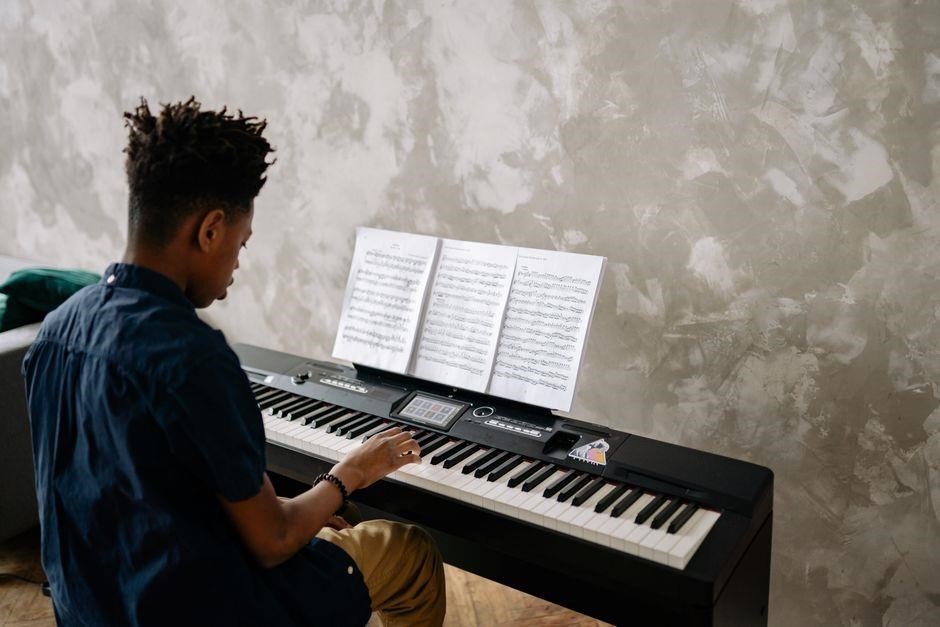
When selecting a piano arrangement for “Nothing Else Matters,” the choice between full‑key and simplified versions hinges on your technical comfort and artistic goals. A full‑key transcription preserves harmonic texture, arpeggios, and subtle rhythmic nuances, offering a complete sonic palette that mirrors the studio recording. This version demands a solid grasp of double‑hand coordination, voicing, and dynamic control, making it ideal for advanced players seeking authenticity.
Conversely, simplified arrangements distill the core melodic and harmonic elements into a more approachable format. By reducing complex chord clusters, eliminating excessive embellishments, and re‑voicing passages for easier hand positioning, these versions allow beginners or intermediate pianists to capture the song’s emotional essence without being overwhelmed. Simplified scores often feature fewer accidentals, clearer key signatures, and a more linear left‑hand accompaniment, enabling smoother navigation through the piece.
Choosing the right variant depends on your practice objectives; If you aim to perform a faithful rendition or record a polished solo, a full‑key PDF will provide the necessary depth. If your goal is to learn the main motifs quickly, build confidence, or integrate the piece into a teaching curriculum, the simplified PDF offers a practical entry point. Regardless of the selection, both versions maintain the song’s lyrical integrity while catering to distinct skill levels…
Tempo Adjustments for Practice
Adjusting tempo is a strategic tool that turns a daunting piece into a manageable learning curve. Start by setting a metronome click at a slow, comfortable pace—often 60–70 bpm—so each chord change and melodic phrase can be articulated cleanly. Play the intro, then the verse, and finally the bridge, pausing after each section to assess accuracy. Once the basic structure feels secure, incrementally raise the tempo by 5–10 bpm, ensuring that hand coordination and dynamic shading remain intact.
For passages that involve rapid arpeggios or syncopated rhythms, consider a two‑step approach: first, slow the section to 40 bpm, then gradually climb to the target speed while maintaining evenness. Use a click track that offers a visual beat indicator; this helps internalize the groove and prevents rushing. When practicing the chorus, focus on sustaining the chordal texture; a slightly slower tempo can reveal subtle voicing choices that might otherwise be lost.
Introduce a “practice‑tempo” mode where you play the entire piece at 80 % of the original speed, then gradually transition to the full tempo. This method trains the brain to anticipate rhythmic shifts and reduces the likelihood of stumbling over complex syncopations. Additionally, practice each measure in isolation, then stitch them together, ensuring that the tempo remains consistent across phrase boundaries.
Record yourself at each tempo milestone to objectively evaluate phrasing, timing, and emotional delivery; By systematically scaling tempo, you build muscle memory, reinforce rhythmic precision, and ultimately achieve a polished, expressive performance that honors the original composition. Remember, the goal is not just speed but clarity and musicality.
When the tempo feels natural, experiment with subtle rubato—slight stretches and compressions of time—to convey emotional depth. Apply this technique primarily to the bridge and the final refrain, where the lyrical content demands expressive nuance. Keep the underlying metronome steady to avoid drifting out of sync.
Finally, integrate dynamic markings into your tempo practice: play the opening measures at mezzo‑piano, gradually crescendo to forte as the song builds, then decrescendo toward the outro. This dynamic shaping, coupled with tempo control, creates a compelling narrative arc that engages listeners and showcases your interpretive skill!!
Legal and Licensing Information
Legal status of the sheet music is governed by copyright law. As of 2026, the original composition remains protected; public‑domain versions are unavailable. Personal use for practice is permitted, but distribution requires permission before sharing. Check official sites for updates today.
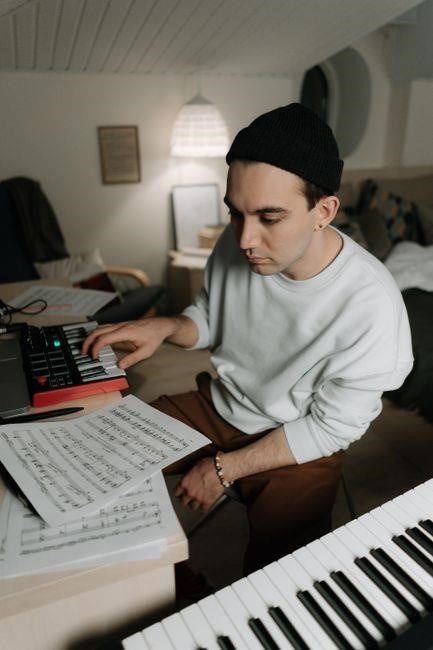
Copyright Status in 2026
The 2026 copyright status of “Nothing Else Matters” remains under the protection of its original authors and publishers. First released in 1992, the song’s composition, lyrics, and arrangement are still governed by the standard 70‑year post‑mortem‑of‑death term. Because the principal songwriter died in 2015, the work will not enter the public domain until 2085. Until then, any reproduction, distribution, or public performance of the sheet music requires explicit permission from the rights holder or an authorized licensing body. Digital downloads of the official piano transcription must be obtained through licensed distributors or directly from the publisher to comply with the law. Unauthorized copies shared on peer‑to‑peer networks or posted on free‑access sites constitute infringement and may lead to civil or criminal penalties. Musicians wishing to perform the piece publicly must secure a performance license from the appropriate collecting society, which will handle royalty collection on behalf of the rights holders. Educational institutions may obtain a blanket license covering multiple students, but individual copies for personal use are still governed by the same rules. In short, the composition is not in the public domain, and all uses beyond personal, non‑commercial practice must be licensed in accordance with current copyright law. Compliance protects the creators’ legacy and the legal integrity of the music community. All rights reserved © 2026. Enjoy!
Fair Use for Personal Practice
When a pianist studies a copyrighted piece for private, non‑commercial use, the practice is generally considered “fair use” under U.S. copyright law. The key factors that courts evaluate include the purpose of the use, the nature of the work, the amount copied, and the effect on the market. Personal practice is a transformative activity that does not replace the need to purchase the official score. The excerpt used for rehearsal is typically a small portion of the entire composition, and the user does not redistribute the material. Because the intent is educational and not commercial, the use is less likely to harm the market value of the original. However, the practice must remain strictly personal; sharing the PDF with others, posting it online, or using it in a public performance without a license would violate the copyright. Musicians should keep copies for themselves only, store them securely, and avoid printing large quantities. If a teacher wants to use the sheet music with students, a separate license or a blanket educational license is required. In short, a single, privately held copy for practice is usually protected by fair use, but the boundaries are narrow and any doubt should be resolved by consulting a legal professional or obtaining a proper license;
In practice, many pianists create a handwritten or printed copy of only the measures they need for rehearsal. This minimal duplication is less likely to be challenged. Some institutions adopt a “copy‑for‑practice” policy, allowing students to keep a single copy for study while prohibiting resale or public display. Always verify the policy of the venue or instructor before using the sheet music beyond personal study. Use responsibly. Thanks.
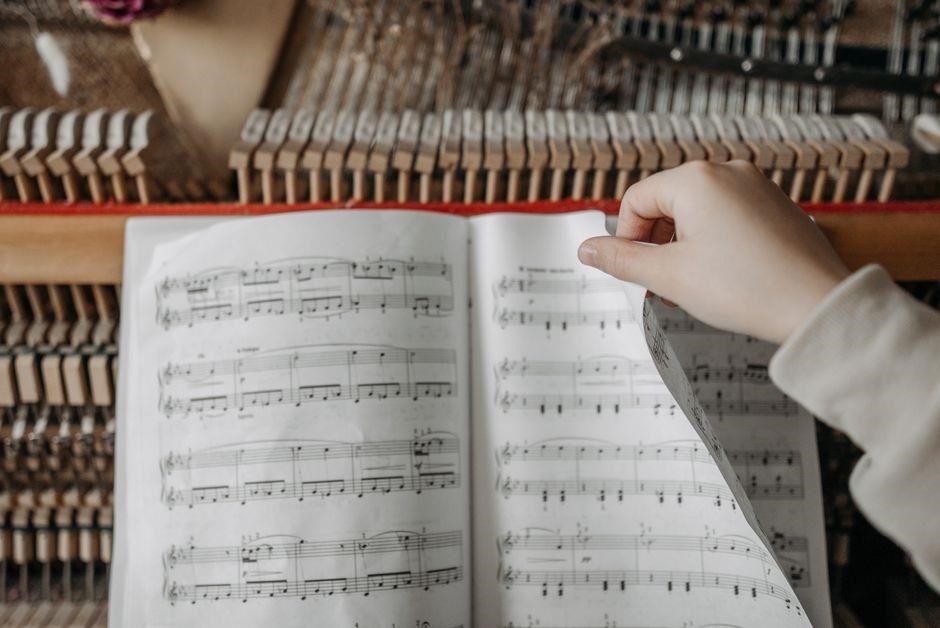
Practical Tips for Pianists
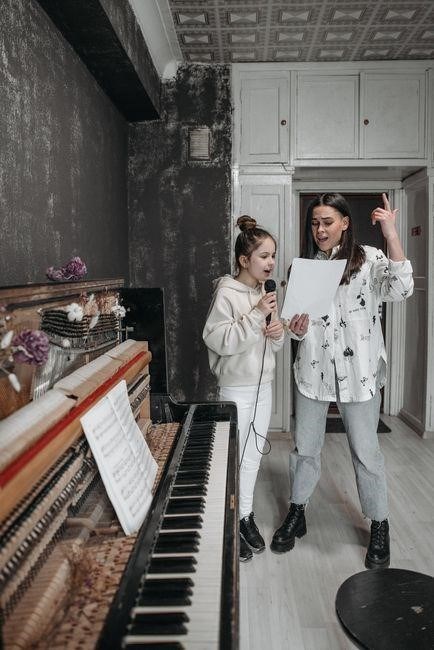
Use the PDF’s clear layout to isolate sections. Mark the intro with a highlighter, then practice each phrase slowly. Keep a metronome set at 60‑70 BPM, gradually increasing as accuracy improves. Record yourself to spot subtle timing issues. Finally, play gently and let the melody breathe.
Navigating the PDF Layout
When you first open the “Nothing Else Matters” piano PDF, the page layout is designed to provide a clean, readable experience. The top of each page contains a header that lists the title, composer, and page number, which helps you keep track of progress during practice sessions. Below the header, the staff lines are spaced evenly, with a generous margin on the left side to accommodate your left‑hand chords and right‑hand arpeggios. The right margin is slightly narrower, allowing you to focus on the melodic line without visual clutter. Each measure is clearly demarcated by vertical bar lines, and the rhythmic values are annotated with standard notation symbols, ensuring you can interpret tempo changes and dynamics accurately. If the PDF includes a key signature, it appears at the beginning of the staff, making it easy to identify the tonal center. To zoom in for a closer look at the fingerings, simply double‑click on the page or use the zoom slider at the bottom of the viewer. The PDF also supports page navigation via the sidebar, where you can click on any page number to jump directly to that section. For musicians who prefer a more tactile approach, many PDF readers allow you to “print” the sheet music to a sheet‑size format, which can then be placed in a music stand for hands‑on practice. By familiarizing yourself with these layout features, you’ll be able to navigate the score efficiently, reducing the time spent searching for passages and increasing the time spent playing.
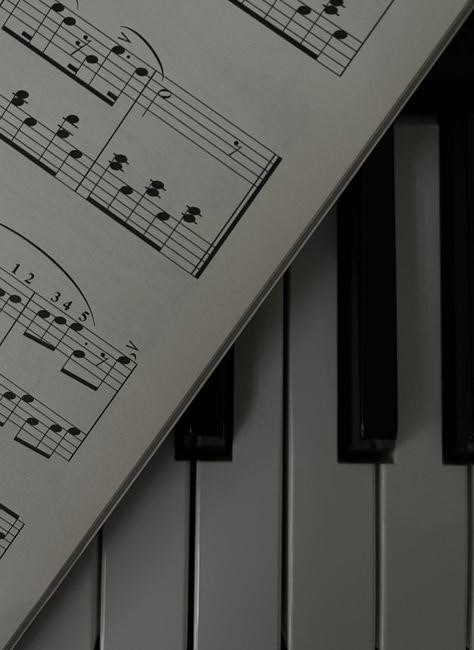
Memorization Techniques for the Intro
Memorizing the opening of “Nothing Else Matters” can feel daunting, but breaking it into manageable segments turns the task into a series of small victories. Start by isolating the first four measures, playing them slowly while humming the vocal line to internalize the melodic contour. Once comfortable, add the next four measures, ensuring you maintain the same tempo and dynamic shading. Repeat this process until you’ve covered the entire intro. Visual cues help solidify memory: sketch the chord shapes on a notepad, noting the root notes and extensions, then trace them on the keyboard. Finger‑pattern drills are essential; practice the left‑hand arpeggios in isolation, counting each note to reinforce muscle memory. Pair this with right‑hand arpeggios, playing them in sync to build coordination. Another effective method is to record yourself and listen back, identifying any rhythmic or dynamic inconsistencies. Spaced repetition is key: play the intro every day for short bursts, gradually increasing the duration as confidence grows. Finally, incorporate the piece into a larger practice routine, playing it in context with the chorus or bridge to reinforce transitions. By combining these techniques—chunking, visual mapping, finger drills, recording, spaced repetition, and contextual practice—you’ll find the intro becomes second nature, allowing you to focus on expression rather than mechanics. Practice with a metronome set to 60 BPM, then gradually increase to 80 BPM, ensuring the arpeggios remain clear. Also, visualize the chord progression as a story, linking each chord to an emotion, which aids recall. Enjoy the process!