What is an Aeropress?
The Aeropress is a full immersion brewer utilizing time and pressure – specifically, a piston – to create coffee․
It typically brews a single cup, though can be adapted for two!
Aeropress Overview
The Aeropress stands out as a remarkably versatile brewing device, celebrated for its simplicity and ability to produce clean, flavorful coffee․ It’s a manual coffee maker, meaning no electricity is required, making it ideal for travel or outdoor adventures․
Its design centers around full immersion, where coffee grounds are steeped in hot water before being pressed through a filter, resulting in a smooth, low-acidity brew․
Full Immersion Brewing
Full immersion brewing, central to the Aeropress method, means all the water is in constant contact with the coffee grounds throughout the steeping process․ This contrasts with pour-over methods․ This complete saturation allows for a more even extraction of flavors, resulting in a richer, more balanced cup․ The Aeropress excels at this technique!
Pressure and the Piston
The Aeropress’s defining feature is its use of pressure, applied via a hand-powered piston․ This forces the water through the coffee grounds, extracting flavors quickly and efficiently․ The pressure differentiates it from gravity-based methods, yielding a smoother, less acidic brew․ It’s a key element in the Aeropress experience!
Essential Aeropress Equipment
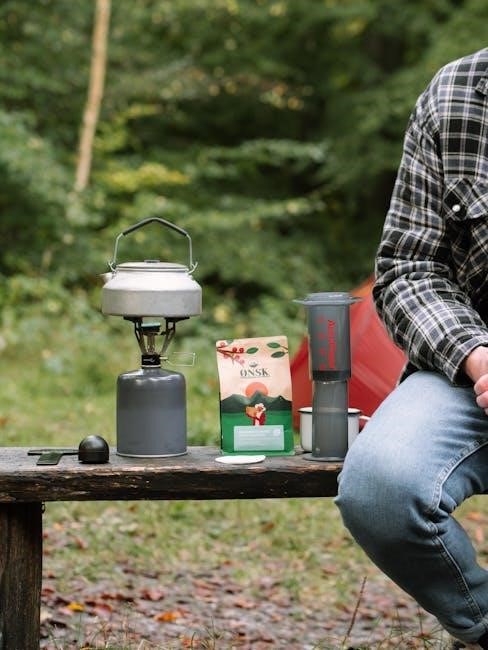
Essential tools include the Aeropress chamber and plunger, filters (paper or metal), and a quality coffee grinder for consistent results․ These are key!
Aeropress Chamber and Plunger
The Aeropress chamber is where the magic happens, holding the coffee grounds and water during the brewing process․ Constructed from durable plastic, it’s designed to withstand pressure․ The plunger, featuring a rubber seal, creates that essential pressure when pushed down, forcing the brewed coffee through the filter․ Together, these components form the core of the Aeropress system, delivering a smooth and concentrated brew․
Filters: Paper and Metal
Aeropress filters are crucial for a clean cup! Paper filters are standard, providing a very clean brew with minimal sediment․ Metal filters, a reusable option, allow more oils and fines to pass through, resulting in a fuller-bodied, richer flavor profile․ Choosing between them depends on your preferred taste and brewing style․
Coffee Grinder Recommendations
A quality grinder is essential for Aeropress success! Burr grinders offer consistent particle size, vital for even extraction․ The Hario Mini is a popular, affordable choice, delivering a medium-fine grind ideal for Aeropress․ Investing in a good grinder significantly elevates your coffee, unlocking nuanced flavors and aromas․
The Classic Aeropress Recipe
For a classic brew, use 17 grams of coffee with 200 grams of 175°F (80°C) water․ Steep for one minute before pressing – simple and delicious!
Coffee-to-Water Ratio (17g Coffee to 200g Water)
The 17g coffee to 200g water ratio is a foundational starting point for Aeropress brewing․ This proportion delivers a balanced and flavorful cup, suitable for many coffee types․
Experimenting with this ratio is encouraged, but beginning here provides a reliable baseline․ Adjustments can be made to suit individual preferences for strength and taste․
Water Temperature (175°F / 80°C)
Maintaining a water temperature of 175°F (80°C) is crucial for optimal Aeropress extraction․ This temperature range avoids scorching the coffee grounds, preserving delicate flavors․ Cooler temperatures may result in under-extraction and a sour taste, while hotter temperatures can lead to bitterness․ Precision is key!
Steep Time (One Minute)
A one-minute steep time is a foundational element of the classic Aeropress recipe․ This duration allows sufficient contact between the water and coffee grounds for effective extraction․ Shorter steep times can lead to under-extraction, resulting in a weak and sour brew․ Longer times may increase bitterness, so precision matters!
Advanced Aeropress Techniques
Mastering techniques like stirring – 20 times in 10 seconds – and the inverted method unlocks deeper flavor profiles and greater control over your brew․
Stirring Technique (20 Stirring Times in 10 Seconds)
Consistent stirring is crucial for even extraction․ A recommended technique involves vigorously stirring the coffee and water mixture 20 times within a 10-second timeframe․ This ensures all grounds are saturated, promoting a balanced and flavorful cup․
This rapid agitation aids in dissolving solubles, contributing to a cleaner, sweeter brew․
Total Steep Time (40 Seconds)
Maintaining a precise steep time is vital for optimal flavor․ Following the stirring phase, allow the coffee to steep for a total of 40 seconds before initiating the pressing process․ This duration allows sufficient extraction of desirable compounds․
Adjusting this time impacts the final taste profile․
Inverted Method Explained
The inverted method involves placing the plunger into the chamber, creating a sealed environment before adding coffee and water․ This prevents dripping during the steep․ After steeping, carefully flip the Aeropress onto your cup and press․
It offers greater control over steep time․

Aeropress Grind Size
A medium-fine grind is optimal for Aeropress extraction, balancing flavor and avoiding bitterness․ Adjusting the grind size allows you to fine-tune the taste profile․
Medium-Fine Grind for Optimal Extraction
Achieving the right grind size is crucial for a balanced Aeropress brew․ A medium-fine consistency, similar to table salt, allows for efficient extraction without over-extraction leading to bitterness․ This grind size provides enough surface area for the water to effectively dissolve the desirable coffee compounds, resulting in a clean and flavorful cup․
Adjusting Grind Size for Taste
Fine-tune your Aeropress experience by adjusting the grind․ If the coffee tastes sour, grind finer to increase extraction․ Conversely, a bitter taste indicates over-extraction; coarsen the grind․ Experimentation is key! Small adjustments significantly impact flavor, allowing you to dial in the perfect cup tailored to your preferences and bean type․
Water Quality and Aeropress
Filtered water is crucial for optimal Aeropress brewing, minimizing impurities․ Water hardness also plays a role, impacting extraction and overall coffee flavor profiles․
Importance of Filtered Water
Using filtered water significantly enhances the Aeropress brewing experience․ Tap water often contains minerals and chemicals – like chlorine – that negatively impact coffee’s taste, creating undesirable flavors․ Filtration removes these impurities, allowing the coffee’s natural characteristics to shine through, resulting in a cleaner, sweeter, and more nuanced cup․
Water Hardness Considerations
Water hardness, determined by mineral content, influences Aeropress extraction․ Ideally, moderately hard water (around 85-175 ppm) provides sufficient minerals for optimal coffee solubilization․ Excessively hard water can lead to scale buildup and muted flavors, while very soft water may result in under-extraction and a flat taste․
Aeropress Recipes: Variations
Explore diverse Aeropress recipes! From the W․A․C․ style brew – employing specific stirring and steep times – to simpler methods using 12-14g of coffee, options abound․
W․A․C․ Style Brew (Van Bunnik’s Recipe)
For a World Aeropress Championship-inspired brew, consider van Bunnik’s winning recipe․ This method demands precision: stir vigorously for 10 seconds, completing 20 stirs․ Allow a total steep time of 40 seconds before inverting and pressing․ This technique maximizes extraction, delivering a complex and flavorful cup․
Simple Aeropress Recipe (12-14g Coffee, 2 Marker)
Seeking simplicity? Utilize approximately 12-14 grams of medium-fine ground coffee within the Aeropress․ Fill with water to the ‘2’ marker․ This straightforward approach yields a consistently great cup, ideal for daily brewing․ It’s a fantastic starting point for newcomers exploring the Aeropress’s potential and ease of use․

Cleaning and Maintenance
Disassemble your Aeropress after each use for thorough cleaning․ A regular routine ensures longevity and optimal performance, maintaining the quality of your brews!
Disassembling the Aeropress
To disassemble, gently twist and pull the plunger from the chamber․ Then, remove the filter cap․ Spent coffee grounds and the used filter can now be easily discarded․ Rinse all components – the chamber, plunger, and cap – with warm water immediately after use․ This prevents coffee oils from building up․
Cleaning Routine for Longevity
For lasting performance, a regular cleaning routine is vital․ Beyond rinsing, periodically disassemble the Aeropress completely․ Wash all parts with mild soap and warm water․ Ensure thorough rinsing to remove any soap residue․ Avoid abrasive cleaners, which can damage the plastic․ This simple care extends its lifespan!
Troubleshooting Common Issues
Common problems include a stuck plunger or bitter coffee․ A coarser grind can resolve plunger issues, while adjusting water temperature often fixes bitterness․
Stuck Plunger
A stuck plunger often indicates the coffee grounds are too finely ground, creating excessive resistance․ Try using a slightly coarser grind size in future brews to alleviate this issue․ Gently wiggling the plunger, rather than forcing it, can also help․
If it remains stuck, adding a tiny bit of hot water might loosen things up, but avoid excessive force!
Bitter Coffee
Bitter coffee from your Aeropress often results from over-extraction․ This can be caused by too fine a grind, water that’s too hot, or an excessively long steep time․ Experiment with a coarser grind, slightly cooler water (around 175°F/80°C), or reducing the steep time to find your sweet spot!
Aeropress Travel and Portability
The Aeropress boasts a remarkably compact and durable design, making it an ideal travel companion for coffee lovers seeking quality brews anywhere!
Compact Design for Travel
The Aeropress’s lightweight and streamlined construction makes it exceptionally portable․ Unlike bulky coffee makers, it easily fits into backpacks or luggage without taking up significant space․ This feature is perfect for camping, hiking, or simply enjoying fresh coffee while traveling․ Its robust build ensures it can withstand the rigors of outdoor adventures, providing a reliable brewing solution wherever you go․
Durability for Outdoor Use
Constructed with sturdy plastic, the Aeropress is remarkably resilient, capable of withstanding bumps and drops during outdoor activities․ This durability makes it an ideal companion for camping, backpacking, or any adventure where delicate equipment might be at risk․ Its simple design minimizes potential breakage points, ensuring reliable performance in challenging environments․
Aeropress vs․ Other Brewing Methods
Compared to French Press, Aeropress offers cleaner coffee․ Against pour-over, it provides more control over brewing variables, resulting in consistent, flavorful results․
Aeropress vs․ French Press
The Aeropress distinguishes itself from the French Press through its filtration system, yielding a remarkably cleaner cup of coffee․ French Presses utilize a metal mesh, allowing more sediment and oils to pass through․
Conversely, the Aeropress’s paper or metal filter significantly reduces these elements, resulting in a smoother, brighter brew․ While both offer full immersion, the Aeropress’s pressure application further refines the extraction․
Aeropress vs․ Pour Over
Compared to pour over methods, the Aeropress offers greater versatility and control over brewing variables like steep time and pressure․ Pour over relies heavily on consistent pouring technique, while the Aeropress’s immersion and forced extraction are more forgiving․
Though both produce excellent coffee, the Aeropress’s portability and speed provide a distinct advantage for travel or quick brewing․

Coffee Bean Selection for Aeropress
Both light and dark roasts work well with the Aeropress, though the brewing method’s flexibility allows for experimentation with single origins or blends to suit preference․
Light Roast vs․ Dark Roast
Light roasts often showcase brighter acidity and more nuanced flavors within the Aeropress, requiring precise brewing to highlight these characteristics․ Dark roasts, conversely, deliver bolder, more chocolatey notes with greater ease, forgiving slight variations in technique․ Ultimately, the ideal choice depends on individual taste preferences and desired flavor profile when using this versatile brewer․
Single Origin vs․ Blends
Single origin coffees in the Aeropress allow exploration of unique regional flavors, demanding careful attention to grind size and water temperature to fully express their character․ Blends, however, offer consistency and balanced profiles, often proving more forgiving for beginners seeking a reliably delicious cup with minimal fuss․

Experimenting with Aeropress Recipes
Adjusting the coffee-to-water ratio and varying steep times are key to unlocking your ideal Aeropress brew․ Small changes yield significant flavor differences!
Adjusting Coffee-to-Water Ratio
Experimenting with the coffee-to-water ratio is fundamental to Aeropress customization․ A standard recipe uses 17g of coffee to 200g of water, but altering this impacts strength and flavor․
Increasing coffee yields a bolder, more concentrated brew, while decreasing it creates a lighter, more nuanced cup․ Begin with small adjustments – try 15g or 19g – and meticulously note the results to discover your preferred balance․
Varying Steep Times
Steep time profoundly influences extraction; longer steeps generally result in a stronger, potentially more bitter brew, while shorter steeps can lead to under-extraction and sourness․ The classic method employs a one-minute steep, but experimentation is key․ Try extending to 90 seconds or shortening to 30 seconds, carefully observing how each duration alters the final cup’s characteristics․
Aeropress Accessories
Essential accessories include scales for precise coffee and water measurements, and timers to ensure accurate brewing, enhancing consistency and allowing for recipe refinement․
Scales for Precise Measurements
Digital scales are crucial for Aeropress brewing, moving beyond estimations to repeatable results․ Consistent coffee-to-water ratios are key to unlocking optimal flavor, and a scale delivers this․
Measuring in grams, rather than scoops, provides accuracy․ Look for scales with 0․1g resolution for ultimate precision, improving your brewing control significantly․
Timers for Accurate Brewing
Consistent timing is paramount when using an Aeropress, impacting extraction and taste․ A dedicated timer, or even your smartphone, ensures precise steep times․ Recipes often call for specific durations – one minute, or even 40 seconds – and accuracy matters․
Reliable timing leads to repeatable, delicious coffee every single time!
The Aeropress Community
A vibrant community thrives online, offering forums, resources, and even Aeropress Championships! Enthusiasts share recipes and techniques, fostering innovation and a love for this brewer․
Online Forums and Resources
Numerous online platforms cater to Aeropress aficionados․ Reddit’s r/Coffee frequently features discussions and recipe sharing․ Dedicated websites, like those from coffee bloggers, provide in-depth guides and brewing tips․
These resources are invaluable for troubleshooting, learning advanced techniques, and connecting with fellow Aeropress enthusiasts to elevate your brewing experience․
Aeropress Championships
The Aeropress boasts a vibrant competitive scene! Annual championships occur globally, challenging brewers to innovate and showcase their skills․ These events, like the World Aeropress Championship, highlight creative recipes and brewing methods․
Competitors push the boundaries of what’s possible with this versatile device, inspiring innovation within the Aeropress community․